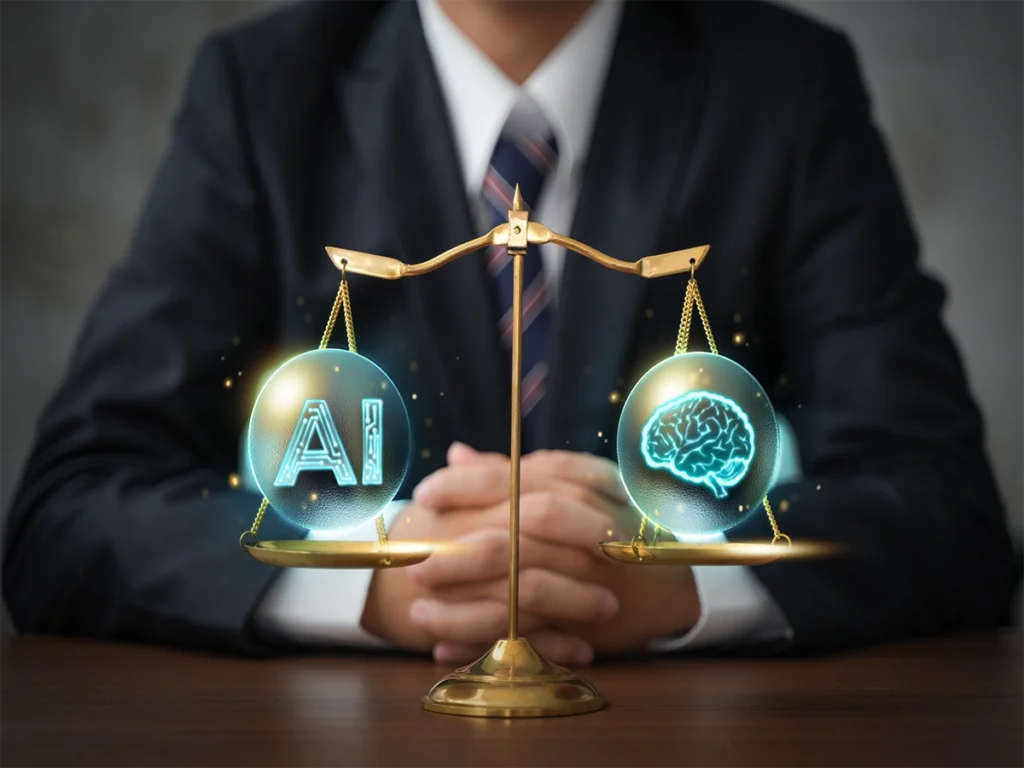
The dangers of using generative artificial intelligence tools to draft legal agreements
With the recent rise in popularity of using generative artificial intelligence such as ChatGPT to automate both simple and complex tasks, many have been left wondering if these tools have the ability to draft legal agreements without the need to seek legal advice.
Although the convenience of using artificial intelligence might seem enticing, the dangers of using them in a legal context can be grave.
Perhaps the biggest issue with using artificial intelligence to draft legal agreements is the fact that the legal principles relied upon are unreliable, inaccurate, and at times even fictional or fabricated. Although its capabilities are vast, artificial intelligence cannot be relied upon in the way a lawyer can to be knowledgeable of laws applicable to your particular situation and include contractual provisions customized to your needs and designed to protect you from liability.
Furthermore, unlike lawyers, artificial intelligence tools are not required to keep the information you provide confidential. In fact, generative artificial intelligence functions by maintaining and learning from the information you provide. As a result, any sensitive information you input might be relied upon in replying to prompts from other users. A lawyer, on the other hand, will ensure any sensitive information is kept private and confidential.
Seeking the assistance of a lawyer to assist with drafting or reviewing any contract or agreement that might affect your legal interests is strongly recommended. Please do not hesitate to contact the legal professionals at Ross &McBride should you require assistance.
This article was originally published by The Hamilton Spectator.